
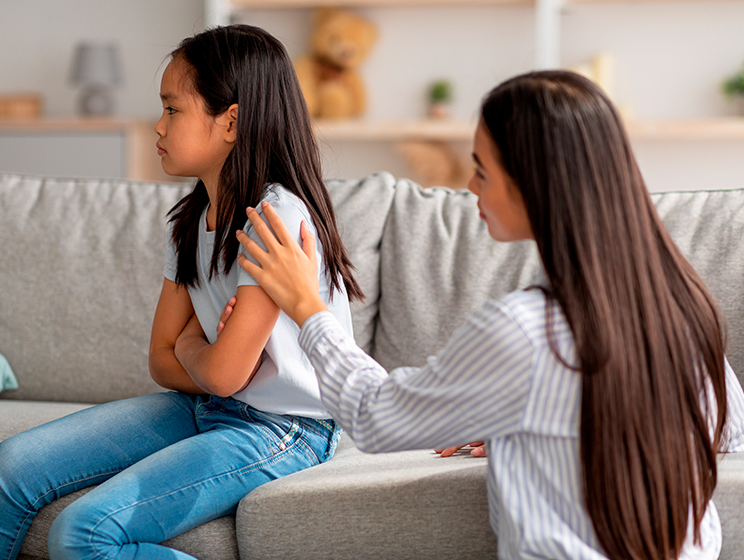
Finding bullying behavior in our kids can be crucial for addressing the issue and providing appropriate support. Remember, the bully is also a child having some troubles who needs guidance and support.
1. Aggressive behavior: Look for signs of physical or verbal aggression towards other children, such as hitting, kicking, name-calling, or threatening behavior. Bullying often involves a power imbalance, with the child exerting dominance over others.
2. Intentional harm: If a child consistently demonstrates a pattern of intentionally hurting or belittling others, it may be a sign of bullying behavior. This can include spreading rumors, excluding others, or using social media to harass or intimidate peers.
3. Lack of empathy: Bullies may lack empathy towards their targets. They may disregard the feelings or well-being of others, showing little remorse for the harm they cause.
4. Manipulation and Control: Bullying can involve controlling or manipulating others. Watch for signs of a child trying to control social situations, dictate what others do, or consistently exert their power over others. Now, do not confuse this behavior with a good leader. Children may sometimes exhibit these behaviors for the good of others without manipulating or controlling them. Sometimes they are just little leaders in the making.
5. Increased aggression or dominance: A child becoming increasingly aggressive or dominant could indicate bullying behavior. This may manifest as an abrupt change in their personality or behavior, becoming more confrontational or seeking opportunities to impose their authority over others.
6. Low self-esteem: Sometimes, children engage in bullying behavior as a way to compensate for their own insecurities or low self-esteem. They may put others down to feel better about themselves or to fit in.
7. Previous history of bullying: If a child has a history of bullying behavior, we need to monitor their interactions with others closely. Kids who bully as a habit may require additional intervention and support to address the underlying issues causing their behavior.
Remember, it's crucial to approach these situations with care and seek guidance from professionals, such as teachers, school counselors, or child psychologists. They can help assess the situation and support both the child engaging in bullying behavior and the child being bullied. Remember that we are all important and kids that engage in bully behavior need support, guidance and follow up, so that we can make sure that they are a in their way to be positive contributors to our society.